

The world expects leaders to be pillars of strength. Most days, though, the weight feels real. Managing teams, resolving conflicts, and making nonstop decisions bring moments when stress is unavoidable. In our experience, what separates steady leadership from chaos is not the absence of pressure, but how we respond to it. This is where self-soothing enters: practical, grounding, and deeply personal.
Why do leaders need self-soothing?
We know from research, including a Harvard Kennedy School analysis, that leaders sometimes show lower levels of cortisol and feel less anxiety than non-leaders. Even so, decision-fatigue, expectation, and emotional labor remain powerful stressors for those who lead. When left unchecked, these invisible burdens can chip away at health, clarity, and relationships.
“Pressure is unavoidable. Suffering is a choice.”
While many tools exist for managing performance, self-soothing is about managing our own inner climate. Self-soothing includes small, science-based habits that anchor us in presence, regulate emotions, and help us recover when stress inevitably arrives.
Understanding self-soothing for leaders
Self-soothing is not about running away from discomfort, nor is it wishful thinking. For us, it means practical actions that gently calm the body and mind. It is the opposite of panic. It is how we return to our center.
Our approach to self-soothing is rooted in a few core ideas:
- Awareness first: We cannot soothe what we do not feel. Recognizing stress signals early—tense shoulders, racing thoughts, irritability—creates an opening for action.
- Physical body as the anchor: Breath, movement, and touch link us back to reality more quickly than pure thought.
- Small is powerful: Brief micro-practices can have strong effects and fit into even the busiest calendars.
It is worth highlighting that studies on self-soothing interventions, such as a 14-day self-soothing touch trial, show tangible reductions in stress and fatigue even among those under long-term tension.
Practical self-soothing techniques for high-pressure leadership
We have found certain techniques, drawn from psychology and everyday practice, to stand out for their simplicity and speed. These do not require elaborate rituals or perfect silence. Instead, they create small "islands of calm" right where pressure peaks.

Breathe with intention
The fastest path out of an anxious mind is through the breath. In our experience, three to five slow, belly breaths—each one twice as long out as in—create an instant reset. Try inhaling for four counts, pausing, then exhaling for eight. This signals safety to the nervous system.
Ground through physical sensation
Pressure lifts when we reconnect to the present. We recommend placing both feet on the floor, pressing them down, and subtly noticing the support. Another option is pressing hands together or running fingertips across a textured surface like a desk or jacket. This grounds scattered attention and releases tension.
Self-soothing touch
A gentle, reassuring touch can change the entire emotional weather inside us. Placing a hand over the heart or gently on the stomach, even during a meeting, signals comfort. Research on self-soothing touch confirms its power to calm acute stress.
“Our body is the entry point to presence.”
Short mindful pauses
We often find the urge to react is strongest when we feel cornered. Taking a 30-second pause, closing the eyes or gazing quietly at an object, interrupts the stress spiral. Even virtual leaders can pause—muting the microphone and breathing briefly gives space for wiser responses.
Reset with movement
Sometimes the stress feels too physical to sit still. A quick walk around the office, stretching arms overhead, or rolling one’s shoulders can act as a quick-release valve. Moving the body moves the mind.
Sensory anchors
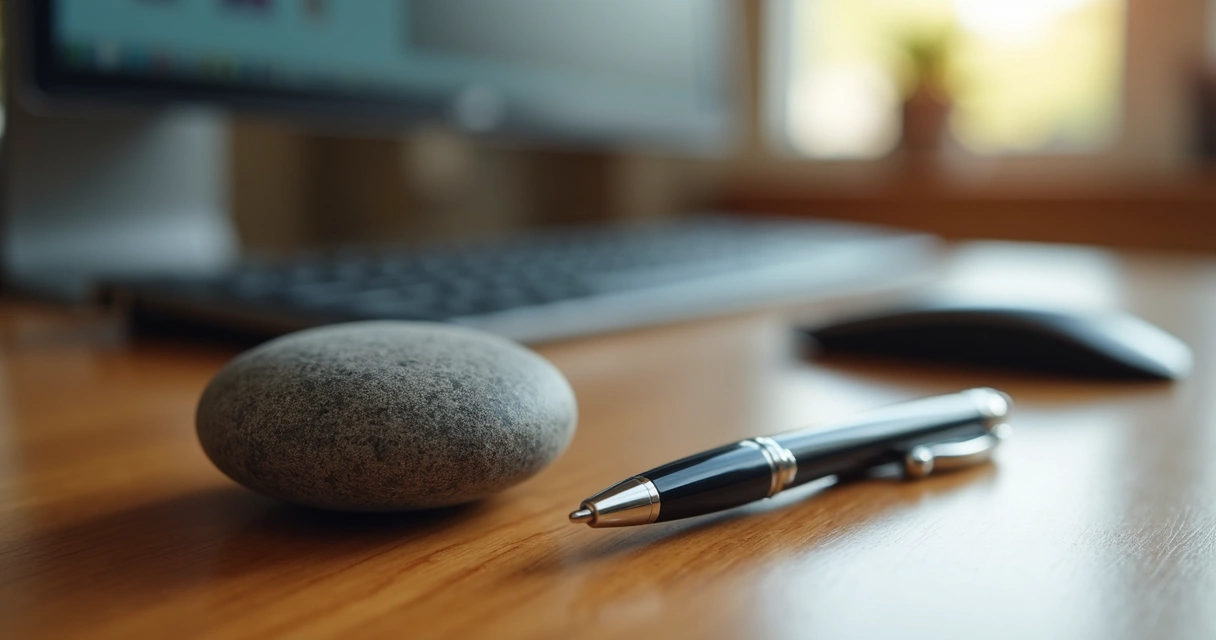
One sensory object—a smooth stone, a favorite pen, or a calming scent—can serve as an anchor in high-stakes moments. We notice that leaders who keep such objects at hand use them as subtle cues for calm and focus.
Cultivating self-soothing as a leadership skill
We see self-soothing as more than an emergency measure. Repeating small acts of presence, day after day, reshapes how we respond, not just what we feel. Over time, these habits become baked into the way we lead.
- Model calmness: Each time we self-soothe in front of a team, we teach them to do the same. Our presence becomes contagious.
- Prevent escalation: By managing our own reactivity, we address tensions before they spark larger conflicts.
- Boost clarity and perspective: We make better choices when stress is not in the driver’s seat.
Self-soothing lets us choose response over reaction, and connection over withdrawal.
Integrating self-soothing into daily leadership
Integrating these techniques is not an extra task—it is a healthy adjustment to how we work. Here are ways we recommend making them stick:
- Pair deep breaths with regular routines like entering the building or starting a video call
- Keep a sensory anchor within easy reach—on the desk or keychain
- Set reminders to stretch or take mindful pauses between meetings
- Practice self-soothing touch discreetly during high-pressure moments
- Reflect at the end of the day: “Did I notice when I felt pressure, and did I soothe myself?”
While the practices may seem simple, the transformation is real. Small rituals repeated in stressful moments teach our minds and bodies new habits—habits that lead to steadier, more sustainable leadership.
“We can’t always control the pressure, but we can control how we meet it.”
Conclusion
Self-soothing is a quiet form of leadership strength. It keeps us anchored, compassionate, and effective even when storms arrive. Each breath, pause, and gentle touch is a way to say: “I am here. I can lead from my center.”
Building a practice of self-soothing gives us a practical bridge from reaction to wise response, benefitting not only ourselves, but everyone we lead.
Frequently asked questions
What is self-soothing for leaders?
Self-soothing for leaders means using quick, intentional practices to calm stress, regulate emotions, and return to presence during challenging situations. These techniques allow leaders to respond thoughtfully instead of reacting impulsively.
How can leaders manage constant stress?
Leaders can manage ongoing stress by caring for their physical and mental states. Regular self-soothing practices such as mindful breathing, grounding techniques, and brief pauses help reduce tension and prevent burnout. Setting healthy boundaries, maintaining a support network, and getting enough rest are also helpful.
What are easy self-soothing techniques?
Easy techniques include breathing slowly, pressing feet to the floor, holding a calming object, stretching, or practicing a gentle, reassuring touch. Simple actions, when practiced regularly, can shift the stress response and create calm, even in short bursts.
Is self-soothing effective for leadership?
Yes, self-soothing is effective. Research shows that intentional self-soothing can reduce physiological and emotional stress in high-pressure situations. Leaders who self-soothe are more present, make clearer decisions, and create a more stable environment for their teams.
When should leaders use self-soothing?
Self-soothing is useful whenever stress, frustration, or emotional overwhelm appears—especially before meetings, during challenging conversations, or after receiving tough feedback. Practicing self-soothing in everyday situations helps build resilience before crisis moments.